
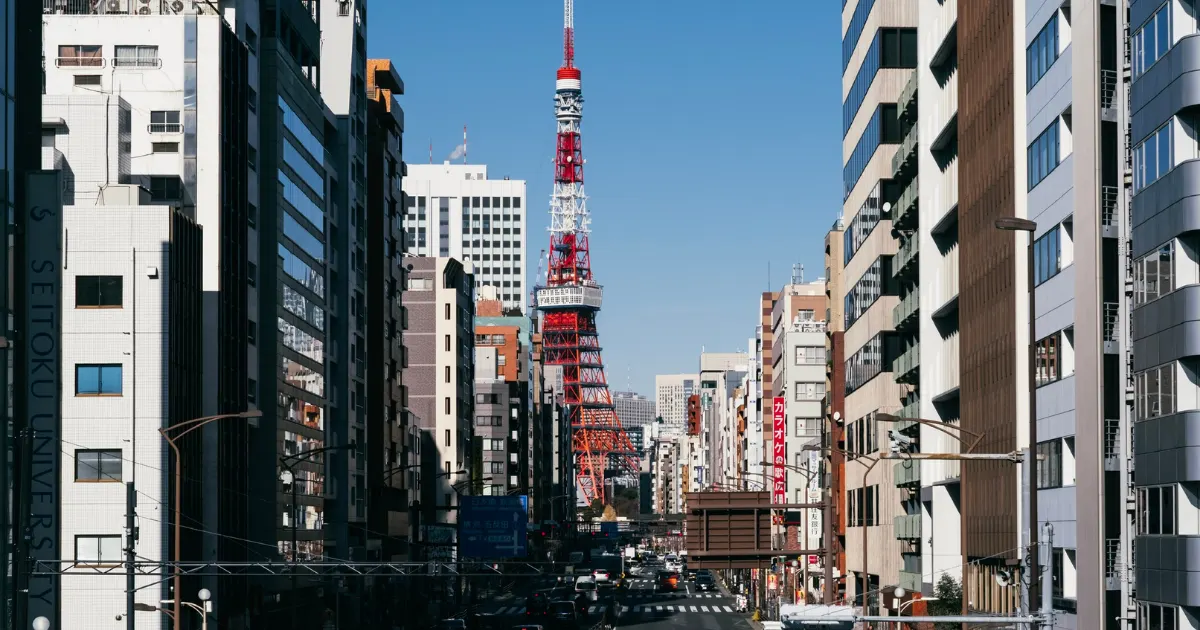
Tokyo Tower stands 333 meters tall in Minato Ward, serving as one of Japan’s most recognizable landmarks since 1958. Modeled after the Eiffel Tower in Paris, this red-and-white structure functions as both a broadcasting facility and tourist attraction. The tower features two observation decks (the Main Deck at 150 meters and Top Deck at 250 meters), plus Foot Town, a five-floor commercial complex at the base.
What is the history of Tokyo Tower?
Tokyo Tower opened on December 23, 1958, after construction that began in June 1957 and employed 220,000 workers. At 333 meters, it surpassed its inspiration, the Eiffel Tower, becoming the world’s tallest freestanding structure. The tower served as a broadcasting antenna for television and radio signals across the Kanto region until Tokyo Skytree took over as Japan’s tallest structure in 2012.
The tower reflects Japan’s post-war recovery during the late 1950s. Special lighting debuted in 1964 for the Tokyo Summer Olympic Games, beginning its evolution from broadcasting tower to cultural landmark. A full illumination system launched in 1988 for the 30th anniversary. The structure survived the 2011 Great East Japan Earthquake undamaged. In 2018, the Top Deck reopened after renovation, adding glass-paneled elevators and modern viewing features.
| Year | Milestone |
|---|---|
| 1957 | Construction began in June with a workforce of 220,000 deployed |
| 1958 | Completed in October; opened to public December 23; became world’s tallest freestanding tower at 333m |
| 1964 | Special lighting installed to celebrate Tokyo Summer Olympic Games |
| 1988 | Full tower illumination system introduced for 30th anniversary |
| 2011 | Tower withstood Great East Japan Earthquake without damage |
| 2012 | Surpassed in height by Tokyo Skytree at 634m |
| 2018 | Top Deck underwent major renovation, reopening October 5 |
What are the highlights and attractions of Tokyo Tower?
Tokyo Tower’s main attractions are its two observation decks and Foot Town at the base. The Main Deck at 150 meters offers 360-degree views of central Tokyo, while the Top Deck at 250 meters provides views extending to Mount Fuji on clear days. Foot Town adds shopping, dining, and facilities across five floors.
The Great Shinto Shrine of the Tower, dedicated in 1977, enshrines Amaterasu Omikami and ranks as Tokyo’s highest-elevation shrine within the 23 wards. The Outdoor Staircase Walk offers a 600-step climb to the Main Deck on weekends and holidays. The tower displays “Landmark Light” illuminations (orange in winter, silver in summer) and special “Infinity Diamond Veil” shows on Mondays and Thursdays. The Skywalk Window at the Main Deck features a glass floor looking straight down 150 meters. For visitors planning a comprehensive private guided tour of Tokyo, the tower serves as an excellent starting or ending point to experience the city from above.
Key attractions include:
- Main Deck (150m): Two-floor observation area with 360-degree city views, the Skywalk Window glass floor, restrooms, and the Great Shinto Shrine of the Tower
- Top Deck Tour (250m): Premium experience with glass-paneled elevator, geometric mirrors, LED lighting, welcome drink, and views extending to Mount Fuji on clear days
- Foot Town: Five-floor complex with restaurants, Tokyo Tower Official Shop Galaxy, coin lockers, nursing room, and Tourist Information Center
- Outdoor Staircase Walk: 600-step climb to Main Deck, available Saturdays, Sundays, and holidays
- Illuminations: “Landmark Light” (orange in winter, silver in summer) and “Infinity Diamond Veil” displays on Mondays and Thursdays, 20:00–22:00
- Great Shinto Shrine: Dedicated 1977, enshrines Amaterasu Omikami; believed to bring luck in relationships and academics
How do you access Tokyo Tower?
The closest access to Tokyo Tower is Akabanebashi Station on the Toei Oedo Line, just 5 minutes on foot. The tower’s location in central Minato Ward connects to multiple subway lines: Onarimon Station (Toei Mita Line, 6 minutes), Kamiyacho Station (Tokyo Metro Hibiya Line, 7 minutes), and Daimon Station (Toei Asakusa Line, 10 minutes). Visitors with a JR Pass can use Hamamatsucho Station (JR Yamanote and Keihin-Tohoku Lines), which requires a 15-minute walk.
Tokyo Tower’s central position in the capital’s transport network makes it accessible from anywhere in Tokyo. Travelers arriving at Narita Airport or Haneda Airport can take the Keisei Skyliner or Airport Limousine to major hubs, then transfer to subway lines. All stations accept Suica and Pasmo IC cards for contactless payment. On-site parking offers free access for tour buses during visitor hours; overnight parking costs ¥11,000. The Tourist Information Center in Foot Town provides multilingual navigation assistance.
| Transport Mode | Station/Stop Name | Walking Time | Estimated Cost | Notes |
|---|---|---|---|---|
| Toei Oedo Line | Akabanebashi Station (Akabanebashi Exit) | 5 min | ¥180–200 | Closest station |
| Toei Mita Line | Onarimon Station (Exit A1) | 6 min | ¥180–200 | — |
| Tokyo Metro Hibiya Line | Kamiyacho Station (Exit 1) | 7 min | ¥180–200 | — |
| Toei Asakusa Line | Daimon Station (Exit A6) | 10 min | ¥180–200 | — |
| JR Yamanote/Keihin-Tohoku | Hamamatsucho Station (North Exit) | 15 min | ¥140–180 | Longer walk but JR Pass eligible |
| Bus | Tokyo Tower bus stop | Variable | ¥230 (flat fare) | Direct service; free shuttle from Tokyo Station available |
| Parking | On-site parking lot | — | See official site | Free for tour buses during hours; overnight ¥11,000 |
Check the official Tokyo Tower access page for updated transport information and walking maps.
What are the opening hours and admission fees at Tokyo Tower?
Tokyo Tower operates daily 9:00–23:00 with no regular holidays. The Main Deck accepts last entry at 22:30. The Top Deck Tour extends until 22:45 with last entry at 22:15, though weather may close this level. Year-round operation allows visits during any season or day.
Admission pricing varies by age and experience level. Main Deck-only tickets cost ¥1,500 (adults), ¥1,200 (high school), ¥900 (elementary/junior high), and ¥600 (age 4+). Top Deck Tour tickets purchased online (¥3,300 for adults) save ¥200 versus counter purchases (¥3,500 for adults) while reducing wait times. Groups of 20+ receive discounts, and school field trip rates apply for educational visits. Visitors with disability certificates receive discounted admission, with one caregiver per certificate also eligible. The Tokyo Diamond Tour (¥7,000 adults) combines both decks with exclusive services, though most visitors find the standard Top Deck Tour sufficient for views extending to Mount Fuji on clear days.
| Facility | Operating Hours | Last Entry | Regular Holidays |
|---|---|---|---|
| Main Deck (150m) | 9:00–23:00 | 22:30 | None |
| Top Deck Tour (250m) | 9:00–22:45 | 22:15 | None; may close due to weather |
| Ticket Type | Adult | High School Student | Child (Elementary/Junior High) | Child (Age 4+) |
|---|---|---|---|---|
| Main Deck Only | ¥1,500 | ¥1,200 | ¥900 | ¥600 |
| Top Deck Tour (Web) | ¥3,300 | ¥3,100 | ¥2,100 | ¥1,500 |
| Top Deck Tour (Counter) | ¥3,500 | ¥3,300 | ¥2,300 | ¥1,700 |
| Tokyo Diamond Tour | ¥7,000 | ¥6,500 | ¥4,700 | ¥3,000 |
Note: Group discounts available for 20+ people. School field trip rates available. Discounts offered for visitors with disability certificates. Visit the official fee page for current pricing.
When is the best time to visit Tokyo Tower?
Winter months (December–February) offer the clearest visibility for seeing Mount Fuji, located 100 kilometers away, thanks to dry air and low humidity. Early morning visits (9:00–10:00 AM) bring fewer crowds and better clarity, especially after overnight rain. Weekdays consistently have lighter traffic than weekends and holidays.
Seasonal factors affect your Tokyo Tower experience beyond crowds and visibility. Spring (March–May) brings cherry blossom season with special sakura-themed illuminations despite larger visitor numbers. Autumn (September–November) delivers pleasant weather, comfortable temperatures, and moderate crowds. Sunset viewing (60–90 minutes before dark) is most popular for watching the city transition from daylight to illuminated nightscape, though this window draws heavy crowds. Christmas illuminations transform the tower during winter, while summer displays silver “Landmark Light” versus winter’s traditional orange glow.
Seasonal recommendations:
- Spring (March–May): Cherry blossom season with special sakura illuminations; crowded but festive; mild temperatures for walking from stations
- Autumn (September–November): Pleasant weather with fewer crowds than spring; comfortable temperatures; good visibility on clear days
- Winter (December–February): Best visibility for Mount Fuji on clear days; Christmas illuminations; lowest tourist numbers for unobstructed photography
Time of day considerations:
- Sunset (60–90 minutes before dark): Most popular but crowded; witness daylight-to-lights transition; best for romantic visits
- Early Morning (9:00–10:00): Fewer crowds with clearer visibility, especially after rain; optimal for detailed photography
- Weekdays: Significantly less crowded than weekends and holidays; easier access to premium viewing spots on both decks
What etiquette or tips should you know at Tokyo Tower?
Photography is permitted throughout most observation areas, though flash may be restricted in zones marked by posted signs. No specific dress code applies. Casual wear works fine, though many visitors dress smartly for photos. The tower accepts cash, major credit cards (Visa, Mastercard, JCB, American Express, Diners Club), and IC cards like Suica and Pasmo at shops and facilities.
Several tips enhance your Tokyo Tower experience while saving time and money. Online ticket purchases save ¥200 per ticket and reduce waits, especially valuable for the Top Deck Tour with its timed entry system that strongly recommends reservations during weekends and peak seasons. The Great Shinto Shrine of the Tower requires respectful behavior typical of Japanese sacred sites. Visitors may purchase seal stamps, votive tablets (ema), and charms while maintaining quiet demeanor and proper bowing at the altar. The Outdoor Staircase Walk (600 steps, approximately 10 minutes) operates only on Saturdays, Sundays, and holidays, subject to weather. Wheelchair users have elevator access to all observation decks, but stroller users should leave carriages at the Operation Center on the 1st floor due to stairs at some access points.
Essential tips to remember:
- Photography permitted in most areas; watch for posted signs indicating flash restrictions in certain zones
- No specific dress code required; casual wear acceptable though many visitors dress smartly for photos
- Great Shinto Shrine requires respectful behavior; seal stamps, votive tablets (ema), and charms available for purchase
- Advance online ticket purchase saves ¥200 per ticket and reduces waiting time, especially for Top Deck Tour
- Top Deck Tour operates on timed entry system; reservations strongly recommended during weekends and peak seasons
- Outdoor Staircase Walk available only on Saturdays, Sundays, and holidays; weather-dependent; 600 steps take approximately 10 minutes to climb
What are nearby spots to visit after Tokyo Tower?
Several attractions sit within walking distance of Tokyo Tower, starting with Zojoji Temple just 5 minutes away. Established in 1393, this Buddhist temple served as the Tokugawa family temple and offers iconic photos with Tokyo Tower rising in the background. Adjacent Shiba Park, Minato Ward’s largest green space, provides peaceful paths and popular viewpoints for photographing the tower from ground level.
Walking 20-25 minutes opens up Roppongi’s contemporary attractions, particularly Roppongi Hills with its Mori Art Museum, Tokyo City View observation deck at 250 meters (offering comparative perspectives to Tokyo Tower), Mori Garden, and the giant Maman spider sculpture. Atago Shrine sits 10 minutes away atop a hill, famous for its steep “Success Steps” that reward climbers with additional Tokyo Tower views.
The smaller Shiba Toshogu Shrine, located 8 minutes from the tower within Shiba Park, provides historical significance without extensive time. Travelers willing to walk 25 minutes can reach Tokyo Midtown in Roppongi, described as a “city within a city” featuring upscale shops, restaurants, museums, and hotel facilities.
For a broader exploration of Tokyo’s top attractions, consider combining Tokyo Tower with other iconic sites like Tokyo Skytree for contrasting architectural perspectives.
Recommended nearby attractions:
- Zojoji Temple (5-minute walk): Buddhist temple established 1393; served as Tokugawa family temple; iconic photo spot with Tokyo Tower in background
- Shiba Park (adjacent): Largest park in Minato Ward; popular viewing spot for Tokyo Tower from ground level; peaceful green space
- Roppongi Hills (20-25 minute walk): Modern complex with Mori Art Museum, Tokyo City View observation deck at 250m, Mori Garden, and giant Maman spider sculpture
- Atago Shrine (10-minute walk): 400-year-old shrine on hill with famous steep “Success Steps”; offers additional Tokyo Tower views
- Shiba Toshogu Shrine (8-minute walk): Small shrine with historical significance in Shiba Park area
- Tokyo Midtown (25-minute walk from Roppongi): “City within a city” with shops, restaurants, museums, and hotel
What are nearby hotels?
Hotels near Tokyo Tower range from budget business hotels to luxury properties, with most located 10-20 minutes by foot or short train ride. The proximity to multiple subway lines and central Minato Ward location makes nearby hotels excellent bases for exploring broader Tokyo while keeping the tower accessible for evening illumination viewing. Hotels in Hamamatsucho, Kamiyacho, and Roppongi areas offer the closest access with varying prices.
Budget options include business hotels near Hamamatsucho Station or Daimon Station, typically offering clean, compact rooms with essential amenities at lower rates while maintaining 10-15 minute walking distance to the tower. Mid-range hotels in Kamiyacho and Onarimon areas provide larger rooms, English-speaking staff, and facilities like restaurants without premium pricing.
For luxury experiences, The Prince Park Tower Tokyo stands as the premier choice, offering direct tower views from select rooms, proximity to Shiba Park, and upscale amenities including multiple restaurants, spa facilities, and concierge services. Other high-end options in nearby Roppongi combine Tokyo Tower access with vibrant nightlife and dining, appealing to visitors wanting sophisticated evening entertainment alongside daytime sightseeing.
Hotel categories by distance and budget:
- Budget-Friendly Business Hotels (Hamamatsucho/Daimon area): 10-15 minute walk; compact rooms with essential amenities; often include basic breakfast; ideal for cost-conscious solo travelers and couples
- Mid-Range Hotels (Kamiyacho/Onarimon vicinity): 6-10 minute walk; larger rooms with improved amenities; English-speaking staff; often feature on-site restaurants; suitable for families
- The Prince Park Tower Tokyo (Premium): Adjacent to Shiba Park; direct Tokyo Tower views from select rooms; upscale amenities including multiple restaurants, spa, and concierge
- Roppongi Luxury Hotels: 20-25 minute walk or short taxi ride; combines Tokyo Tower access with vibrant nightlife and dining
- Minato Ward Boutique Properties: Scattered throughout the ward at 8-15 minute distances; unique design and personalized service; often family-run or independently operated
Note: Hotel availability varies by season. Book well in advance during cherry blossom season (late March–early April) and autumn foliage period (November) when demand peaks.
Frequently Asked Questions About Tokyo Tower
Is advance reservation required for Tokyo Tower?
No reservation is needed for Main Deck access. Walk-up tickets remain available throughout operating hours. Top Deck Tour reservations are recommended but not mandatory, especially on weekdays when crowds are lighter.
Is Tokyo Tower worth visiting?
Yes, particularly if you appreciate retro charm and want closer views of Tokyo’s street-level cityscape compared to more distant views from Tokyo Skytree. Tokyo Tower offers a central location in Minato Ward, nostalgic 1958 architecture, and the Great Shinto Shrine of the Tower.
Can I see Mount Fuji from Tokyo Tower?
Yes, Mount Fuji is visible on clear days from both observation decks, particularly during winter (December–February) when atmospheric clarity peaks and humidity stays minimal. The mountain sits 100 kilometers away, making visibility weather-dependent.
How long should I spend at Tokyo Tower?
Plan 1.5–2 hours for the Main Deck-only experience, allowing time for photos, exploring both floors, and visiting the Great Shinto Shrine. Including the Top Deck Tour and exploring Foot Town shops extends visits to 2–3 hours total.
Can I climb Tokyo Tower instead of taking the elevator?
Yes, the Outdoor Staircase Walk allows you to climb 600 steps to the Main Deck at 150 meters, though this operates only on Saturdays, Sundays, and holidays subject to weather. The climb takes approximately 10 minutes for average-fitness visitors and provides open-air ascent with progressive city views.
What’s the difference between Tokyo Tower Main Deck vs Top Deck?
The Main Deck at 150 meters offers standard observation with 360-degree views, the Skywalk Window glass floor, restrooms, and the Great Shinto Shrine across two floors. The Top Deck at 250 meters provides a premium experience with glass-paneled elevator access featuring geometric mirrors and LED lighting, welcome drink service, and extended views reaching Mount Fuji on clear days.
How does Tokyo Tower vs Skytree compare for visitors?
Tokyo Tower stands at 333 meters versus Tokyo Skytree’s 634 meters. Tokyo Tower provides closer, more intimate city views while Skytree offers broader panoramic perspectives from greater elevation. Tokyo Tower’s central Minato Ward location, 1958 retro aesthetic, and lower admission prices (¥1,500 vs Skytree’s higher fees) attract visitors seeking nostalgic charm.
This guide is based on information current as of late 2024. For the most up-to-date Tokyo Tower tickets, operating hours, and special events, visit the official Tokyo Tower website or contact the Tourist Information Center in Foot Town.