
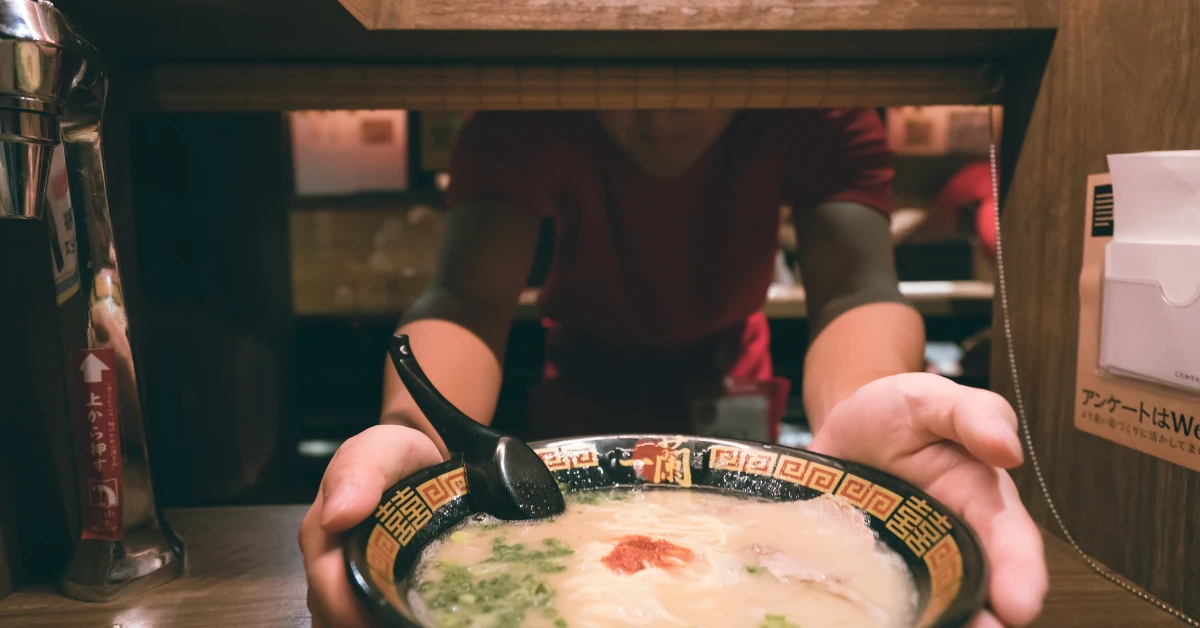
Japan’s beloved ramen culture offers travelers an authentic taste of local tradition, regional diversity, and culinary craftsmanship that goes far beyond a simple bowl of noodles. This comprehensive guide explores ramen’s fascinating journey from Chinese origins to Japanese icon, revealing the secrets behind perfect broths, essential eating etiquette, and where to find the most exceptional bowls across Japan. Whether you’re planning your first ramen adventure or seeking to deepen your appreciation for this iconic dish, you’ll discover everything needed to navigate Japan’s rich ramen landscape with confidence and cultural respect.
From understanding the four foundational broth styles to mastering proper slurping technique, this article provides practical insights that enhance every ramen experience. You’ll learn about regional specialties that define different prefectures, cooking methods that create restaurant-quality bowls, and insider recommendations for must-visit ramenya (ramen shops) that locals treasure. Each section builds your knowledge while preparing you to fully embrace one of Japan’s most cherished culinary traditions.
What is the History of Ramen in Japan?
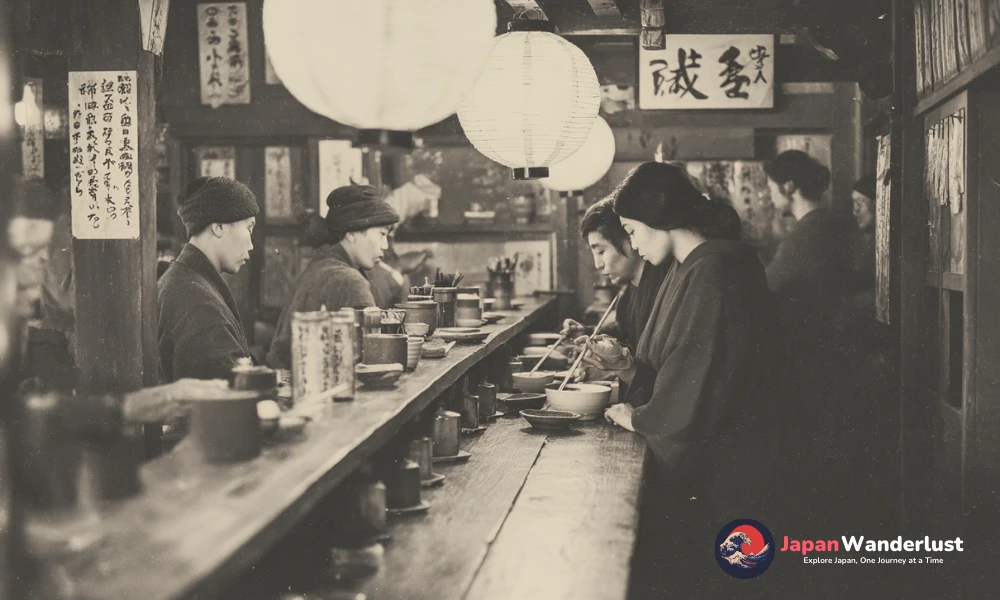
Ramen evolved from Chinese lamian noodles introduced to Japan in the late 19th century, transforming into a distinctly Japanese culinary art through decades of regional innovation and cultural adaptation. The dish gained widespread popularity after World War II when wheat became more accessible, leading to the explosion of ramenya across Japan. Key historical milestones include the 1958 invention of instant ramen by Momofuku Ando and the 1994 opening of the Shin-Yokohama Ramen Museum. This timeline reflects ramen’s journey from foreign import to national obsession, cementing its status as comfort food that represents Japanese ingenuity and regional pride.
Ramen Timeline in Japan:
- 1859: Chinese immigrants bring lamian noodles to Yokohama’s Chinatown
- 1910: First ramenya “Rairaiken” opens in Tokyo’s Asakusa district
- 1945-1950: Post-war wheat availability sparks ramen boom across Japan
- 1958: Momofuku Ando invents instant ramen, revolutionizing accessibility
- 1970s-1980s: Regional variations flourish, creating distinct local styles
- 1994: Shin-Yokohama Ramen Museum opens, celebrating ramen culture
- 2000s-Present: International recognition elevates ramen to gourmet status
The rapid spread of ramen across Japan resulted from clear cultural and economic factors within Japanese cuisine after World War II. Workers needed affordable, filling meals that they could eat quickly during long workdays. Chefs across the country adapted ramen using local ingredients. Hokkaido used dairy to create richer broths, while Kyushu developed tonkotsu broth from pork bones. These local adaptations led each prefecture to form its own ramen style based on regional taste and available resources. Ramen became a regional expression of food culture.
This growth turned ramen into a respected craft. Many chefs now train for decades to refine broth balance, noodle texture, and flavor depth. Ramen culture reflects values tied to precision, consistency, and long-term skill development. Today, ramen blends traditional methods with modern techniques and gives travelers a direct way to experience authentic food culture in Japan.
What are the Main Ingredients and Broths Used in Ramen?
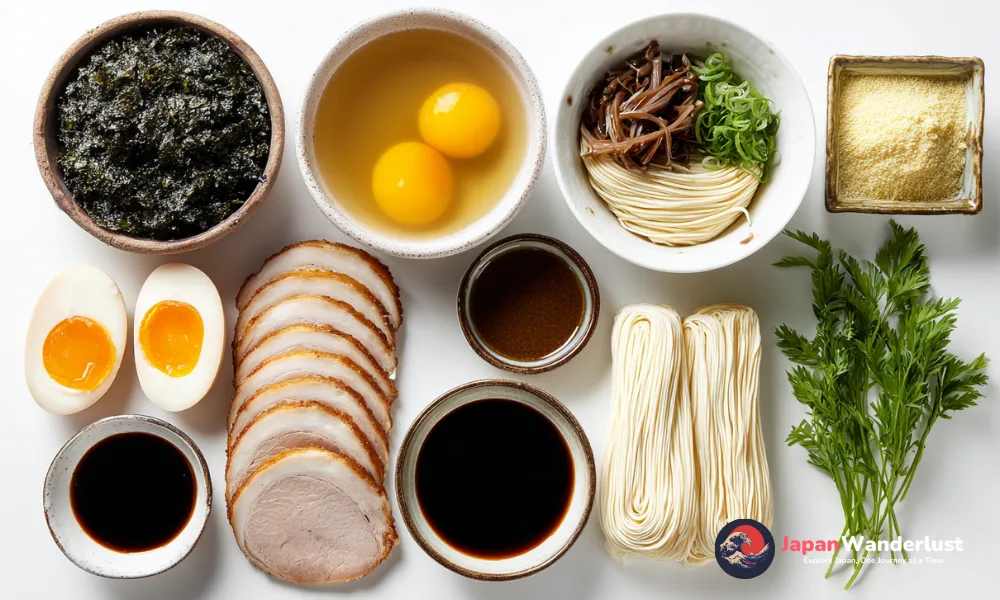
Ramen consists of four essential components: broth (soup), noodles (men), toppings (gu), and seasoning (tare), with each element carefully balanced to create harmonious flavors. The four foundational broth types—shoyu (soy sauce), miso (fermented soybean paste), tonkotsu (pork bone), and shio (salt)—form the backbone of most ramen varieties. These broths require hours of preparation, with tonkotsu demanding up to 20 hours of simmering to achieve its signature creamy consistency. Understanding these core elements helps travelers appreciate the complexity and craftsmanship behind every bowl they encounter.
The Four Main Ramen Broths:
| Broth Type | Base Ingredient | Flavor Profile | Color | Origin Region |
|---|---|---|---|---|
| Shoyu | Soy sauce | Clean, savory, umami-rich | Clear brown | Tokyo/Kanto |
| Miso | Fermented soybean paste | Rich, earthy, slightly sweet | Cloudy brown/red | Sapporo/Hokkaido |
| Tonkotsu | Pork bones | Creamy, rich, intense | Milky white | Hakata/Kyushu |
| Shio | Salt | Light, delicate, refined | Clear/pale | Hakodate/Hokkaido |
Essential Ramen Toppings:
- Chashu: Braised pork belly, tender and flavorful
- Ajitsuke Tamago: Soft-boiled egg marinated in soy sauce
- Menma: Fermented bamboo shoots, adds texture and tang
- Negi: Chopped green onions for freshness and bite
- Nori: Dried seaweed sheets, provides oceanic umami
- Moyashi: Bean sprouts for crunch and lightness
- Corn: Sweet kernels, especially popular in Hokkaido
- Butter: Rich addition common in northern regions
The noodles themselves vary significantly in thickness, texture, and preparation method, with each style designed to complement specific broths. Thin, straight noodles work best with lighter shoyu and shio broths, allowing delicate flavors to shine through. Thick, wavy noodles pair perfectly with heavy tonkotsu and miso broths, their surface area capturing rich, creamy textures. The alkaline water (kansui) used in authentic ramen noodles creates the distinctive yellow color and firm bite that defines quality ramen.
Quality ramen shops take pride in making fresh noodles daily, adjusting cooking times to achieve the perfect texture for each bowl. The marriage of properly prepared broth, expertly cooked noodles, and thoughtfully arranged toppings creates the complete ramen experience that has captivated food lovers worldwide.
How is Ramen Prepared and Cooked?
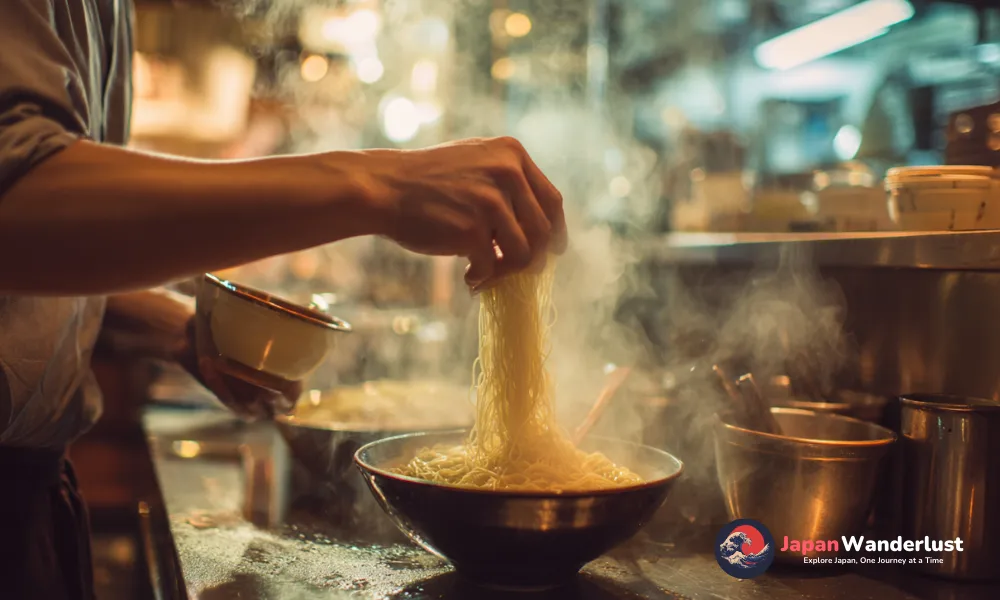
Ramen preparation follows a precise sequence of broth making, noodle cooking, and assembly that requires timing, technique, and attention to temperature control. Professional ramen chefs spend years mastering each step, from the 12-20 hour broth preparation to the 60-90 second noodle cooking window. The assembly process happens rapidly, with hot broth poured over fresh noodles and toppings arranged in specific patterns. This methodical approach ensures every bowl reaches the customer at optimal temperature with perfectly balanced flavors.
Step-by-Step Ramen Preparation:
- Prepare the Broth (12-20 hours ahead)
- Simmer bones, vegetables, and aromatics for extended periods
- Strain and season with tare (seasoning base)
- Maintain consistent temperature for service
- Cook the Noodles (60-90 seconds)
- Boil fresh noodles in rapidly bubbling water
- Time precisely based on noodle thickness
- Drain immediately to prevent overcooking
- Heat the Bowl
- Warm serving bowls with hot water
- Add measured portion of tare seasoning
- Ensure proper temperature for assembly
- Assemble the Ramen
- Place cooked noodles in heated bowl
- Pour hot broth over noodles immediately
- Arrange toppings in traditional pattern
- Final Presentation
- Add aromatics like scallions or sesame oil
- Serve immediately while steaming hot
- Present with proper utensils (chopsticks and spoon)
The broth preparation represents the most critical and time-intensive aspect of ramen making. Tonkotsu broths require constant attention as pork bones simmer for up to 20 hours, creating the creamy emulsion that defines this style. Master chefs monitor temperature, skim impurities, and adjust seasoning throughout the cooking process to achieve their signature flavors.
Noodle cooking demands split-second timing, as the difference between perfect texture and overcooked mushiness occurs within seconds. Professional ramen shops cook noodles to order, ensuring each bowl receives noodles at their peak texture. The final assembly happens with choreographed precision, creating the visual appeal and temperature consistency that makes quality ramen such a satisfying experience.
What are the Popular Types and Regional Variations of Ramen?
Regional ramen variations reflect local ingredients, climate, and taste preferences, creating distinct styles that define different areas of Japan. Tokyo’s shoyu ramen offers clean, refined flavors that complement the capital’s sophisticated palate, while Sapporo’s hearty miso ramen provides warming comfort against Hokkaido’s harsh winters. Hakata’s tonkotsu ramen delivers rich, intense flavors that satisfy Kyushu’s bold taste preferences. These regional differences make ramen tourism a rewarding way to explore Japan’s diverse culinary landscape and understand local food culture.
Major Regional Ramen Styles:
| Region/City | Style | Broth Base | Signature Features | Best Season |
|---|---|---|---|---|
| Tokyo | Shoyu | Chicken & seafood | Clear, elegant, refined | Year-round |
| Sapporo | Miso | Pork & miso paste | Rich, warming, often with corn & butter | Winter |
| Hakata | Tonkotsu | Pork bones | Creamy white, intense, thin noodles | Year-round |
| Kitakata | Shoyu | Pork & seafood | Thick, flat noodles, light but flavorful | Year-round |
| Yokohama | Iekei | Tonkotsu-shoyu | Hybrid style, thick noodles, spinach | Year-round |
| Kumamoto | Tonkotsu | Pork bones | Garlic oil (mayu), rich and aromatic | Year-round |
Notable Local Specialties:
- Tsukemen (Tokyo): Dipping ramen with concentrated broth served separately
- Tantanmen (Hiroshima): Japanese-style sesame and chili oil ramen
- Mazesoba (Tokyo): Brothless ramen mixed with sauce and toppings
- Jiro-kei: Extra-large portions with massive vegetable toppings
- Abura Soba: Oil-based brothless ramen with rich, coating sauce
Each regional style evolved to match local climate and ingredient availability, creating authentic expressions of place through food. Hokkaido’s cold climate inspired hearty miso ramen with warming ingredients like corn, butter, and thick noodles that provide substantial energy. Kyushu’s tonkotsu tradition developed from the region’s abundant pork production and the need for quick, satisfying meals for busy port workers.
Understanding these regional differences enhances travel experiences by connecting food choices to local culture and history. Seeking out authentic regional styles in their places of origin provides deeper appreciation for how geography, climate, and tradition shape culinary identity throughout Japan.
How to Eat Ramen Properly (Etiquette and Tips)
Proper ramen etiquette emphasizes speed, sound, and respect for the chef’s carefully balanced creation, with slurping encouraged as both practical technique and cultural expression. Japanese diners consume ramen quickly while hot, using chopsticks to lift noodles and a spoon to drink broth, creating the distinctive slurping sounds that enhance flavor perception. The entire bowl should be finished within 10-15 minutes to experience optimal temperature and texture. Understanding these customs shows respect for ramen culture while maximizing your dining pleasure.
Essential Ramen Eating Steps:
- Begin Immediately: Start eating as soon as the bowl arrives to enjoy optimal temperature
- Slurp the Noodles: Use chopsticks to lift noodles and slurp audibly to cool them and enhance flavors
- Alternate Components: Sample noodles, broth, and toppings in rotation for balanced experience
- Use Both Utensils: Chopsticks for noodles and toppings, spoon for broth and egg
- Finish Quickly: Complete the bowl within 10-15 minutes while everything remains hot
Cultural Etiquette Guidelines:
- Slurping is Expected: Loud slurping shows appreciation and helps cool hot noodles
- Don’t Overthink Toppings: Eat them as encountered rather than saving for last
- Drink the Broth: Using the spoon or lifting the bowl to drink remaining broth is perfectly acceptable
- No Sharing: Ramen is an individual experience; order separate bowls
- Minimal Talking: Focus on eating while the ramen is hot rather than conversation
- Thank the Chef: A simple “gochisousama” (thank you for the meal) shows appreciation
The slurping technique serves practical and cultural purposes beyond mere etiquette. Drawing air through the noodles cools them to eating temperature while aerating the broth, which enhances flavor perception similar to wine tasting. This technique also allows you to consume the ramen at optimal temperature without burning your mouth.
Customization options exist at many shops, including noodle firmness (katame for firm, futsu for normal, yawarakame for soft) and richness levels. However, first-time visitors should order the standard preparation to experience the chef’s intended balance before requesting modifications. This approach demonstrates respect for the ramen master’s expertise while ensuring you taste the authentic version that represents their skill and vision.
Where to Try the Best Ramen in Japan
Japan’s ramen scene spans from legendary establishments with decades of history to innovative shops pushing culinary boundaries, offering travelers diverse opportunities to experience exceptional bowls. Tokyo’s Tsuta earned the first Michelin star for ramen, while Hakata’s Ichiran pioneered the individual booth dining experience that became globally famous. Regional destinations like Sapporo’s Ramen Yokocho (Ramen Alley) and Fukuoka’s yatai (street stalls) provide authentic local experiences alongside world-class flavors. These recommendations represent both accessible gems and destination-worthy establishments that showcase ramen’s finest expressions.
Must-Visit Ramen Destinations:
| Location | Shop/Area | Specialty | Notable Features |
|---|---|---|---|
| Tokyo – Sugamo | Tsuta | Truffle shoyu | First Michelin-starred ramen shop |
| Tokyo – Shibuya | Menya Saimi | Shio ramen | Award-winning delicate, refined broth |
| Tokyo – Multiple | Ramen Jiro | Massive portions | Cult following, unique thick style |
| Sapporo | Ramen Yokocho | Miso ramen | Historic alley, multiple legendary shops |
| Sapporo | Aji no Sanpei | Original miso | Credited with inventing miso ramen (1955) |
| Fukuoka | Ichiran | Tonkotsu | Famous individual booths, customizable |
| Fukuoka | Yatai Stalls | Traditional tonkotsu | Riverside evening dining, authentic atmosphere |
| Kitakata | Various shops | Thick noodle shoyu | “Ramen town” specializing in flat noodles |
| Wakayama | Local ramenya | Soy sauce-based | Unique regional style worth the journey |
| Osaka | Ganko Takoyaki | Traditional Osaka-style | Historic setting, local flavors |
Tips for Ramen Shop Visits:
- Peak Hours: Avoid lunch rush (12-1pm) and dinner peak (7-8pm) for shorter waits
- Cash Only: Many traditional shops only accept cash payments
- Ticket Machines: Order and pay at vending machines before seating
- Limited English: Point to pictures or bring translation apps
- No Reservations: Most ramenya operate first-come, first-served
The best ramen experiences often occur at small, local shops where passionate chefs have perfected their recipes over decades. These establishments typically feature simple décor, limited seating, and menus focused on perfecting one or two signature styles rather than offering extensive variety.
Timing your visits strategically enhances the experience significantly. Visiting during off-peak hours allows for relaxed dining and often provides opportunities to interact with chefs who may share insights about their techniques and ingredients. Early evening visits to yatai stalls in Fukuoka offer magical atmosphere alongside exceptional tonkotsu ramen.
Fun Trivia About Ramen
Ramen culture encompasses fascinating nutritional facts, consumption statistics, and cultural phenomena that reveal the dish’s massive impact on Japanese society and global food trends. The average Japanese person consumes over 40 bowls of ramen annually, while instant ramen sales exceed 100 billion servings worldwide each year. A typical restaurant ramen bowl contains 400-600 calories and up to 2,000mg of sodium, making it a substantial meal that provides significant energy. These numbers reflect ramen’s role as both comfort food and practical sustenance in modern life.
Ramen Nutrition Facts:
| Component | Typical Range | Notes |
|---|---|---|
| Calories | 400-600 per bowl | Varies by broth richness and toppings |
| Sodium | 1,500-2,000mg | Often exceeds daily recommended intake |
| Protein | 20-30g | From noodles, egg, and meat toppings |
| Carbohydrates | 60-80g | Primarily from wheat noodles |
| Fat | 15-25g | Higher in tonkotsu styles |
Fascinating Ramen Trivia:
- Most Expensive Bowl: ¥10,000 ($75) ramen exists in Tokyo with premium ingredients like wagyu beef and truffles
- Noodle Length: A single serving contains approximately 150 meters of noodles when laid end-to-end
- Speed Eating Record: The world record for fastest ramen consumption is 8.5 seconds
- Museum Dedication: The Yokohama Ramen Museum features vintage ramen shops recreating historical atmospheres
- Space Food: Instant ramen has been consumed by astronauts on the International Space Station
- Economic Impact: Japan’s ramen industry generates over ¥500 billion annually
- Regional Pride: Some cities have ramen vending machines on nearly every street corner
Cultural Phenomena:
- Ramen Dating: “Ramen dates” are popular casual outings, especially for late-night dining
- Celebrity Chefs: Top ramen masters achieve celebrity status with cookbook deals and television appearances
- Ramen Pilgrimages: Food enthusiasts travel across Japan specifically to taste different regional styles
- Queue Culture: Popular shops often have hour-long waits, considered part of the authentic experience
The evolution from simple sustenance to cultural icon demonstrates ramen’s unique position in Japanese society. University students survive on instant ramen during exam periods, creating lifelong emotional connections to the dish. Office workers bond over late-night ramen runs, while families celebrate special occasions at favorite local shops.
Ramen’s influence extends beyond food into art, literature, and film, with countless books, documentaries, and movies exploring the culture surrounding this beloved dish. The dedication required to master ramen-making has inspired stories about perseverance, craftsmanship, and the pursuit of perfection that resonate with Japanese cultural values.
Final Thoughts on Enjoying Ramen
Ramen represents more than sustenance in Japan it embodies the spirit of craftsmanship, regional pride, and shared cultural experience that defines much of Japanese hospitality. Approaching ramen with curiosity and respect for its cultural significance enhances every bowl, transforming simple meals into meaningful encounters with local tradition. The best ramen experiences occur when travelers embrace both the flavors and the customs, from proper slurping technique to appreciating the chef’s dedication. Each bowl tells a story of place, season, and tradition that connects you to Japan’s rich culinary heritage.
Whether you’re sampling Tokyo’s refined shoyu at a counter-service shop or sharing space with locals at a Fukuoka yatai stall, ramen provides intimate glimpses into Japanese daily life and values. The patience required to wait in line, the concentration needed to eat quickly while hot, and the satisfaction of completing a perfectly balanced bowl mirror broader Japanese approaches to quality and mindfulness.
Your ramen journey through Japan will create lasting memories that extend far beyond the meals themselves. These experiences connect you to centuries of culinary evolution, regional diversity, and the ongoing dedication of craftspeople who view their work as art. Embrace each bowl as an opportunity to understand Japan more deeply, one satisfying slurp at a time.
For travelers seeking the most authentic ramen experiences, Japan Wanderlust’s private tours offer personalized guidance to hidden local gems and legendary establishments that might be challenging to find on your own. Our bilingual guides share insider knowledge about regional specialties, proper etiquette, and the stories behind each bowl, ensuring your culinary adventure captures the true essence of Japan’s ramen culture.